Our Story
Family History
The Eiroa Family Story
Long before tobacco became our life's work, it was a way of life.
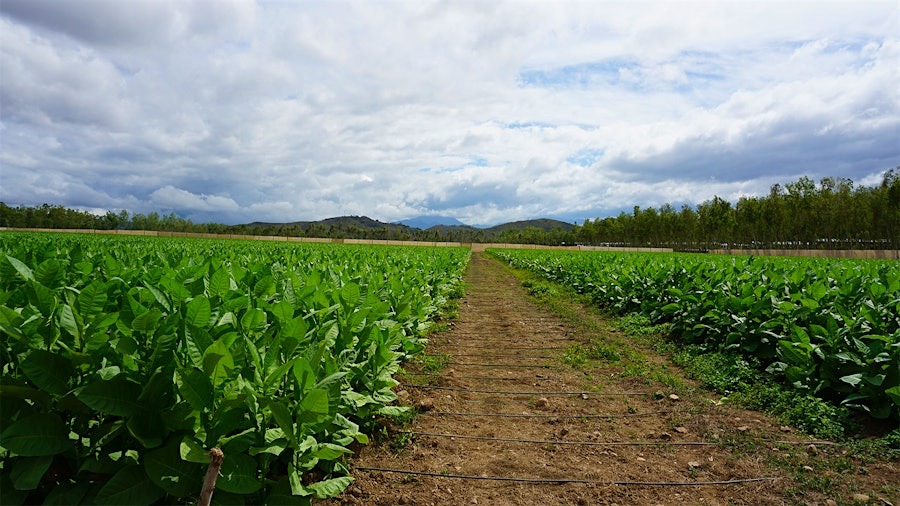
In 1916, in the soils of Pinar del Río, Cuba, Generoso Eiroa planted the foundation of what would become four generations devoted to tobacco. In a region known for producing some of the world's finest tobacco, he learned that exceptional tobacco was earned through patience, discipline, and respect for the land.
Generoso passed those values to his son, Julio Eiroa, who grew up in the tobacco fields and carried the family's passion into the next generation.
Everything changed in 1961.
Following the Cuban Revolution, the Eiroa family was forced to leave behind their farms and begin again. Although they lost their land, they carried with them something far more valuable: generations of tobacco knowledge.
That journey led Julio to Honduras, where he helped transform the country into one of the world's premier tobacco-growing regions. His dedication and relentless pursuit of quality established the Eiroa name as one of the industry's most respected.
The third generation, Christian Eiroa, combined tradition with innovation, producing some of the most influential cigars of the modern era. Under his leadership, Camacho became one of the fastest-growing premium cigar brands in the world before its acquisition by Davidoff in 2008. His work cemented the Eiroa family's reputation for uncompromising quality and world-class tobacco.
Today, the fourth generation continues that journey.
Raised among the farms, factories, and people who shaped the family legacy, Santi Eiroa carries forward more than a century of experience with the same commitment that began in Cuba in 1916.
The history of the Eiroa family is not simply a story of four generations. It is a story of resilience, craftsmanship, and an unwavering pursuit of exceptional tobacco. 1916 is the culmination of that journey—a cigar created to honor the generation that started it all while carrying the family's legacy into the future.

The Founder
Meet Santi Eiroa
Carrying forward more than a century of tobacco heritage, Santi Eiroa leads the fourth generation with the same patience, discipline, and respect for the craft that began in Cuba in 1916.
Pinareño
The Pinareño Story
Few tobaccos carry a history quite like Pinareño.
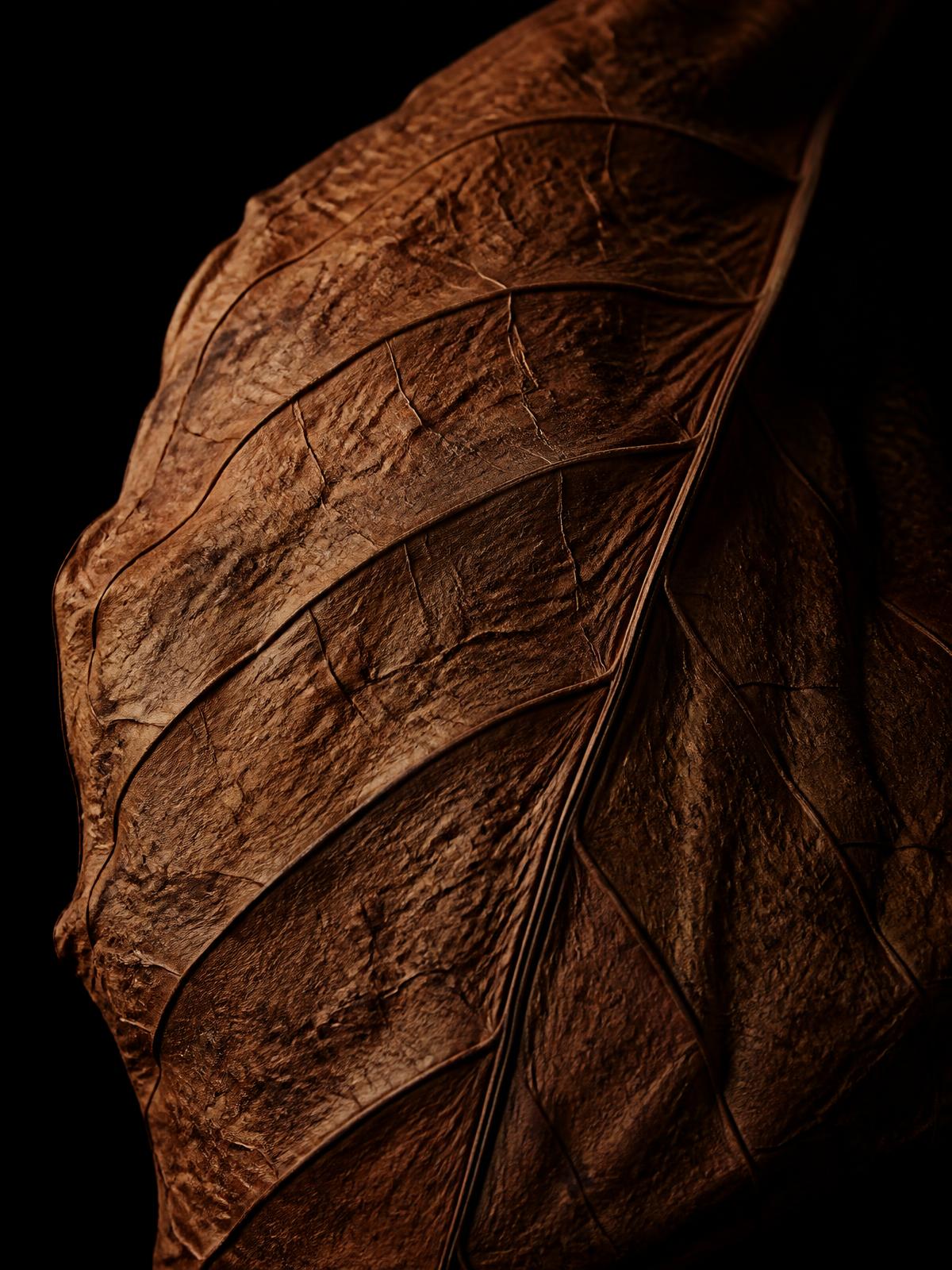
Native to the tobacco-growing region of Pinar del Río, Cuba, Pinareño was once regarded as one of the island's most distinctive tobacco varieties, celebrated for its rich aroma, natural sweetness, and refined complexity. Over time, however, it nearly disappeared, becoming a tobacco many believed had been lost forever.
For the Eiroa family, Pinareño represents more than a tobacco variety, it is a direct connection to where their story began.
When the family left Cuba in 1961, they left behind generations of tobacco tradition. But one year later, in 1962, Tino Argudín brought the original Pinareño seed to Honduras. The Pinareño seed quietly remained preserved, waiting for the right hands to bring it back to life.
Years later, Christian Eiroa recognized the significance of what had been preserved. Through years of selection, cultivation, and refinement, he successfully revived Pinareño, restoring one of Cuba's historic tobacco varieties while preserving its unique character for future generations.
Reviving the seed was only the beginning.
Growing Pinareño requires exceptional care, patience, and meticulous selection, producing only limited quantities each year. Every harvest is carefully evaluated to ensure it reflects the qualities that made the variety so respected generations ago.
For 1916, Pinareño is the foundation of the blend and the heart of the story. More than a century after Generoso Eiroa first walked the fields of Pinar del Río, this remarkable tobacco allows the family's legacy to live on, honoring the past while carrying it into a new generation.
Corojo
The Corojo Story
Few tobacco varieties have shaped the modern premium cigar industry like Corojo.
Originally developed in the Vuelta Abajo region of Pinar del Río, Cuba, Corojo became the gold standard for premium cigars. Prized for its rich flavor, natural strength, and exceptional balance, it was the wrapper tobacco behind many of Cuba's most celebrated cigars before disease and changing cultivation practices caused it to nearly disappear.
For the Eiroa family, Corojo represents more than a legendary tobacco—it is a responsibility to preserve one of Cuba's greatest agricultural achievements.
That responsibility began in Honduras, when Julio Eiroa was entrusted with authentic Corojo seed by the Rodríguez family, the family credited with developing the original Corojo variety at Santa Inés del Corojo in Cuba. Rather than allowing its history to fade, the Eiroa family dedicated themselves to preserving its purity and ensuring its future.
Preserving Corojo required far more than planting a seed.
Over decades, the family carefully selected, cultivated, and refined the tobacco in the fertile soils of Honduras, remaining committed to maintaining the character that made Corojo one of the world's most respected tobacco varieties. Through relentless dedication and generations of experience, the Eiroa family became recognized as one of the foremost growers of authentic Corojo tobacco.
For 1916, Corojo provides strength, structure, and a direct connection to the generations who devoted their lives to preserving it. Together with Pinareño, it represents more than a century of family history—bringing two of Cuba's most historic tobacco varieties together in a cigar created to honor the past while looking toward the future.